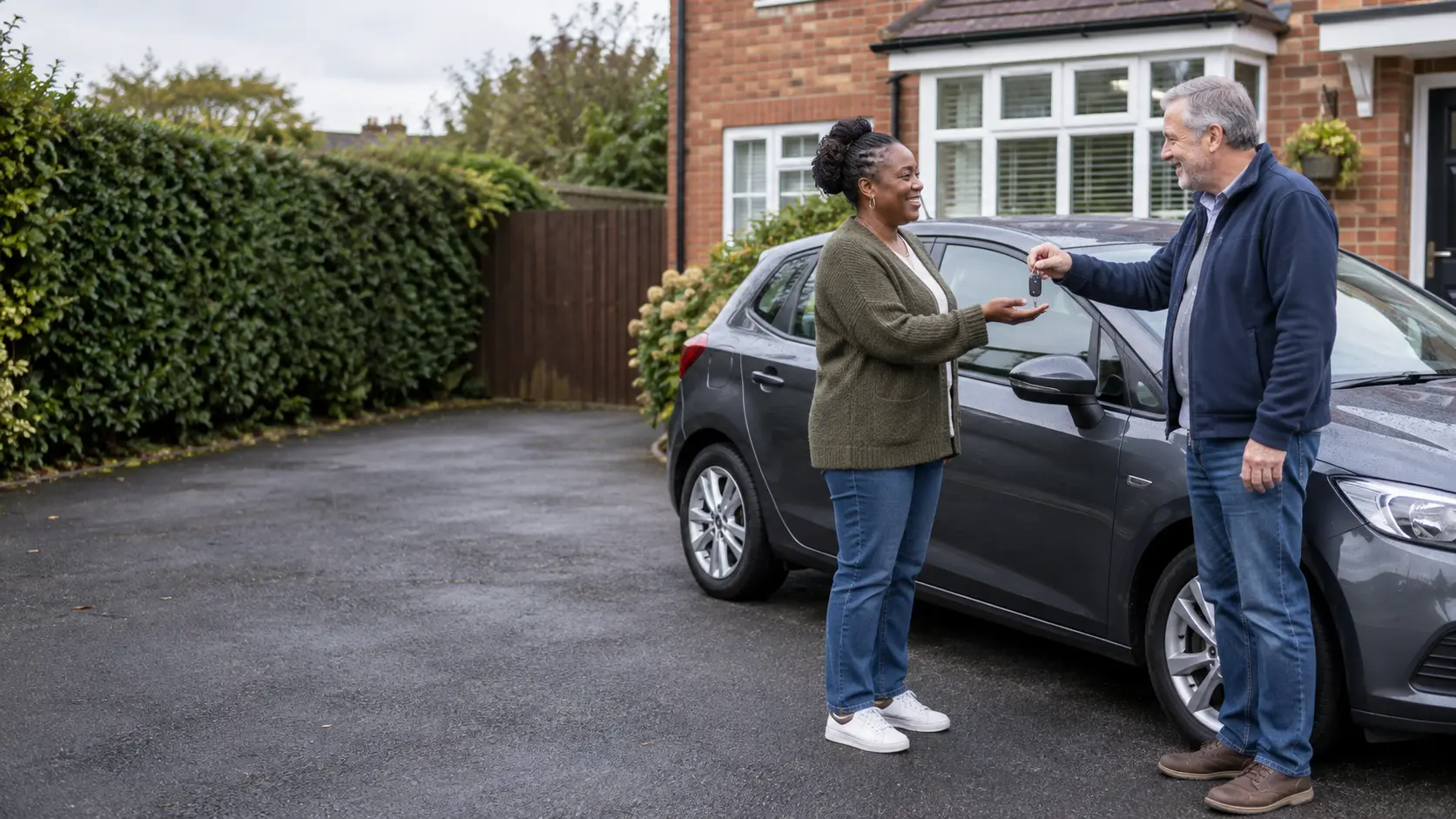
Borrowing someone else’s car?
Take the keys.
Not the risk.
Practical UK guidance on permission, insurance and the checks that matter before you drive.
A useful place to start
The owner’s policy may not cover you
A car can be insured and the person behind the wheel can still be driving illegally. You need cover that applies to you, the borrowed car and the journey you are making.
BorrowACar.co.uk explains the choices without pretending one answer suits everybody. Check the documents, understand any restrictions and arrange the right cover before the car moves.
Understand Driving Other Cars cover →Why are you borrowing?
Find the advice that fits
Borrowing your parent’s car
Being part of the family does not put you on the policy. Sort out the cover first, then agree the practical details before the car leaves the drive.
Read the guide →02Can I borrow my partner’s car?
Living together, sharing bills or being married does not automatically give either of you cover to drive the other person’s car.
Read the guide →03Borrowing a friend’s car
A friendly agreement is not an insurance arrangement. Take a few minutes to confirm the cover and the condition of the car before setting off.
Read the guide →04Can I lend my car to someone?
Yes, provided they have your permission and valid insurance for the car. The owner still has a few things worth checking personally.
Read the guide →05Temporary insurance for a borrowed car
A separate policy can cover one driver on a borrowed car for a limited period. It is useful in the right circumstances, but eligibility and exclusions matter.
Read the guide →06Borrowing a car for the weekend
Weekend borrowing sounds simple, but the cover must include the whole period and the sort of journeys you intend to make.
Read the guide →Lending your car?
You have checks to make as well
Ask for proper evidence that the borrower is covered. Check the dates, registration number and permitted use, and make sure the car remains roadworthy. A promise to be careful is no substitute for insurance.
Read the owner’s guideBefore handing over the keys
- 1See the driver’s licence and insurance evidence
- 2Agree fuel, excesses, fines and return time
- 3Explain any faults or unfamiliar controls
- 4Share breakdown and emergency details
Clear answers
Common questions about borrowed cars
Does comprehensive insurance let me drive any car?
No. Comprehensive cover on your own car does not automatically include Driving Other Cars cover. Where DOC is included, it often has restrictions and may be third-party only.
Can I drive a car if the owner says yes?
Permission is essential, but it does not insure you. You must also have valid cover for that car and use.
Can temporary insurance start immediately?
Some providers offer cover that can begin promptly, subject to eligibility. Do not drive until the stated start time and after receiving confirmation that cover is in force.
Will a temporary policy affect the owner’s no-claims discount?
It is normally a separate policy, but both policies’ reporting conditions still matter after an incident. Read the terms or ask the insurer.